Get Residential Tree Service
Residential Tree Service providers handle tree trimming, removal, pruning, and health care to solve safety hazards, improve aesthetics, and maintain property value.
Proper tree maintenance and removal can play a key role in preserving the health and safety of residential properties. Homeowners may seek professional tree services to address concerns such as overgrown branches, dead or diseased trees, or potential hazards caused by storm damage. Exploring local contractors who specialize in these services allows property owners to compare options, ensuring they find experienced providers capable of handling a variety of tree care needs with confidence.
Considering the benefits of professional tree work, many property owners look to local service providers to help improve curb appeal, prevent property damage, and maintain a safe outdoor environment. By reviewing local options, homeowners can identify qualified contractors suited to their specific project requirements. Continuing to explore available services can help ensure the right solutions are chosen for their property's unique landscape.
- Tree Trimming - needed when trees have overgrown branches that interfere with structures or power lines.
- Tree Removal - required when trees are diseased, damaged, or pose a safety risk to the property.
- Stump Grinding - necessary after tree removal to clear the area and prevent tripping hazards.
- Pruning Services - used to improve tree health, shape, or promote new growth in existing trees.
- Emergency Tree Services - needed after storms or severe weather events cause fallen or unstable trees.
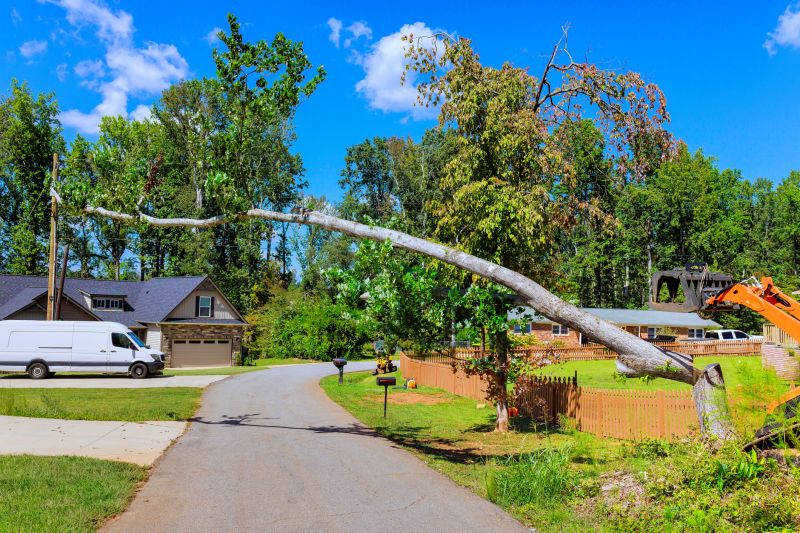
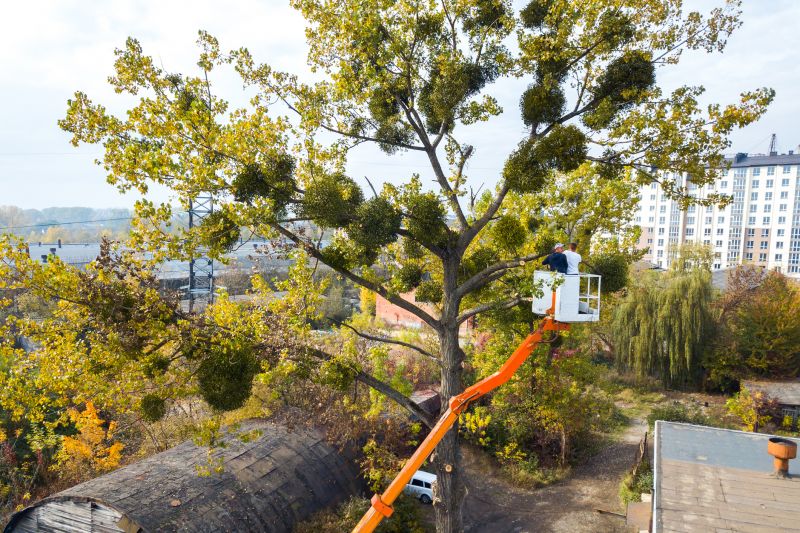
Residential tree services encompass a range of professional solutions designed to maintain, improve, and protect trees on private properties. These services typically include tree trimming and pruning, which help remove dead or overgrown branches to promote healthy growth and enhance the appearance of trees. Additionally, tree removal may be necessary when a tree is dead, severely damaged, or poses a risk to nearby structures or people. Service providers also offer stump grinding and removal to eliminate unsightly or hazardous stumps left after a tree has been taken down. These tasks require specialized equipment and skills to ensure they are performed safely and effectively.
Many common problems can be addressed through residential tree services. Overgrown branches can interfere with power lines, roofs, or walkways, creating safety hazards or potential damage. Diseased or infested trees may weaken over time, increasing the risk of falling limbs or complete collapse. Trees suffering from structural issues, such as cracks or leaning, often need professional assessment and intervention. Regular maintenance can prevent these issues from escalating, helping to protect both the property and its inhabitants. When storms or high winds cause damage, professional tree services can quickly and safely clear fallen or broken branches to prevent further hazards.
These services are frequently used on a variety of property types, including single-family homes, multi-family residences, and small commercial properties. Homeowners with large yards or gardens often seek tree care to maintain the health and aesthetics of their landscape. Properties located in areas prone to storms or high winds may require ongoing tree assessments and maintenance as a precaution. Additionally, properties near power lines, driveways, or walkways benefit from professional pruning to ensure safety and accessibility. Whether for routine upkeep or emergency removal, local contractors can provide the expertise needed to handle a broad range of residential tree service needs.
Homeowners typically turn to these services when they notice signs of trouble or want to improve their landscape’s safety and appearance. Common indicators include dead or dying branches, leaning trees, or visible damage from storms. Trees that obstruct views, block sunlight, or interfere with utility lines may also require professional trimming. Property owners who are concerned about potential hazards or want to ensure their trees remain healthy often contact local service providers for assessments and treatment. Engaging experienced professionals helps to address these issues efficiently, ensuring that trees are managed responsibly and safely across different types of residential properties.
The overview below groups typical Residential Tree Service projects into broad ranges so you can see how smaller, mid-sized, and larger jobs often compare in your area.
In many markets, a large share of routine jobs stays in the lower and middle ranges, while only a smaller percentage of projects moves into the highest bands when the work is more complex or site conditions are harder than average.
Small Tree Trimming - typical costs range from $150-$400 for routine pruning of small to medium-sized trees. Many projects fall within this middle range, while larger or more complex jobs can exceed $400.
Large Tree Removal - removing a mature tree can cost between $1,000 and $3,000, depending on size and location. Larger, more challenging removals may reach $4,000 or more, though most projects stay within the lower to mid-range.
Stump Grinding - stump removal services usually cost between $100 and $500 per stump. Many projects are in the $150-$300 range, with larger stumps or multiple stumps pushing costs higher.
Full Tree Replacement - planting and establishing a new tree typically costs $500-$2,500, depending on tree size and species. Larger, more mature trees or complex planting sites can increase costs beyond this typical range.
Actual totals will depend on details like access to the work area, the scope of the project, and the materials selected, so use these as general starting points rather than exact figures.
Tree Trimming and Pruning - local contractors use similar skills and tools to shape and maintain trees, ensuring healthy growth and safety around residential properties.
Stump Grinding and Removal - stump removal involves equipment and planning comparable to tree removal, helping to clear space and prevent hazards.
Emergency Tree Care - responding to storm-damaged or fallen trees requires quick assessment and specialized equipment similar to routine tree services.
Land Clearing - clearing overgrown or wooded areas involves planning and machinery comparable to large-scale tree removal projects.
Landscape Tree Planting - installing new trees involves understanding soil, spacing, and care, which aligns with tree health and growth management skills.
Tree Health Assessments - evaluating tree health and identifying issues requires knowledge of tree biology and the use of diagnostic tools similar to pruning and removal services.
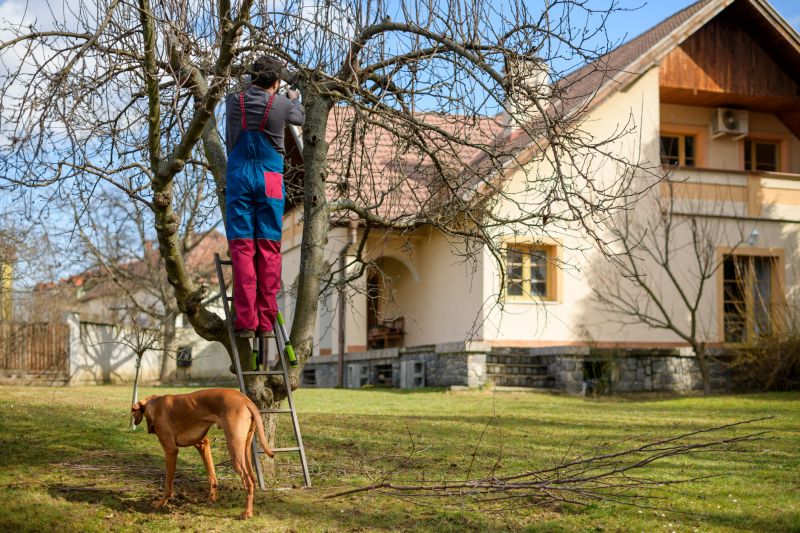
When evaluating potential service providers for residential tree work, it’s important to consider their experience with similar projects. Homeowners should look for local contractors who have a proven track record of handling the specific types of tree services needed, whether it’s pruning, removal, or health assessments. An experienced professional will be familiar with the challenges that come with different tree species and yard conditions, which can contribute to a smoother process and a better outcome.
Clear, written expectations are essential when choosing a tree service provider. Homeowners should seek out contractors who provide detailed estimates and scope of work that outline the services to be performed, any necessary preparations, and the scope of the project. Having this information in writing helps ensure everyone is on the same page and reduces the potential for misunderstandings or surprises once work begins.
Reputation and communication are key factors in selecting a reliable local contractor. Homeowners can benefit from references or reviews that speak to the contractor’s professionalism, quality of work, and ability to communicate clearly throughout the process. Good communication involves responsiveness, transparency, and the ability to answer questions thoroughly. It’s important to remember that this site serves as a resource to connect homeowners with reputable local service providers, not to perform the work itself.
Property owners use Residential Tree Service services for practical projects around their homes and businesses. This guide focuses on everyday jobs and straightforward project options.
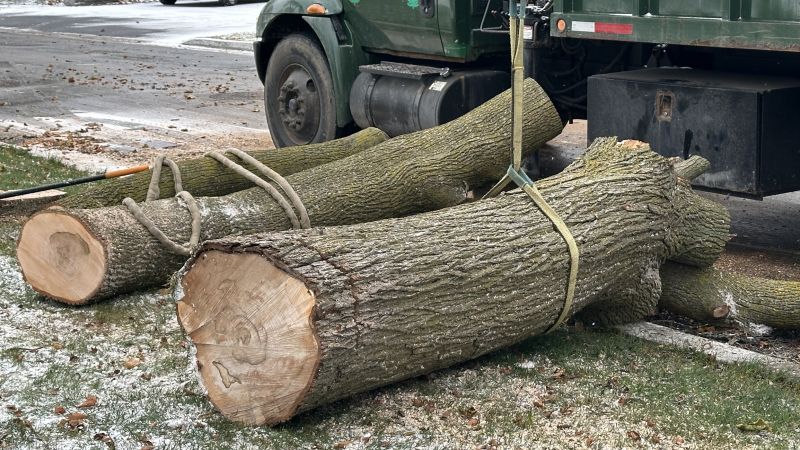
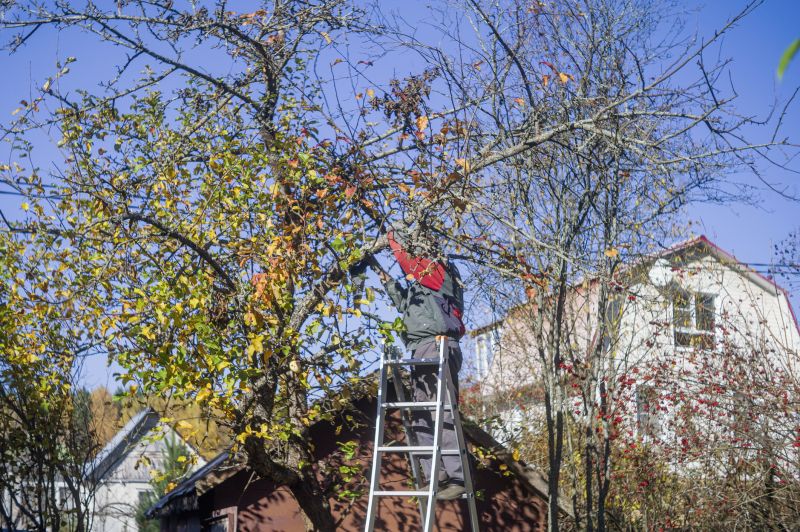
Residential tree service needs often arise from routine yard maintenance or unexpected storm damage. Property owners may seek assistance with trimming overgrown branches that threaten power lines or structures, removing fallen or hazardous trees after severe weather, or pruning trees to promote healthy growth. These everyday situations can impact safety, appearance, and the overall health of trees, prompting residents to look for experienced local contractors who can handle these jobs efficiently and safely.
Additionally, property owners might require tree services when preparing for outdoor events, improving curb appeal, or addressing concerns about tree-related safety hazards. Whether it’s removing dead or diseased limbs or performing regular pruning to maintain a tidy landscape, local service providers are available to assist with a variety of tree care projects. Connecting with qualified local contractors ensures that these common needs are addressed professionally, helping to keep yards safe and attractive.
What residential tree services are typically offered by local contractors? Local service providers often offer tree trimming, pruning, removal, and stump grinding to help maintain healthy and safe trees around residential properties.
How can I determine if a tree needs professional care? Signs such as dead or broken branches, leaning trees, or visible damage may indicate the need for expert assessment and treatment from local contractors.
What should I consider when choosing a residential tree service provider? It’s important to review their experience, reputation, and the range of services offered to ensure they can handle the specific needs of your trees.
Are there any precautions homeowners should take before tree work begins? Homeowners should clear the area around the tree and inform service providers of any nearby structures or utilities to ensure safe and efficient work.
How do local contractors typically ensure the health and safety of trees during pruning? They follow proper pruning techniques and standards to promote tree health while minimizing risks to property and people.
Tree Trimming and Pruning - Regular trimming helps maintain the health and appearance of trees around the property, making outdoor spaces more inviting.
Emergency Tree Removal - When a storm causes a tree to fall or become hazardous, local contractors can safely remove debris to prevent damage or injury.
Stump Grinding Services - Removing tree stumps can improve yard safety and aesthetics, making room for new landscaping or lawn activities.
Tree Health Assessments - Professionals can evaluate trees for signs of disease or decay, helping property owners decide on necessary care or removal.
If you are thinking about Residential Tree Service for a property, this guide is meant to help you understand the work, the typical project types, and how different options might fit your plans.
When you are ready, you can use the quote form on this page to share a few details about your project. From there, local pros can review the basics and respond with options that match what you have in mind.